
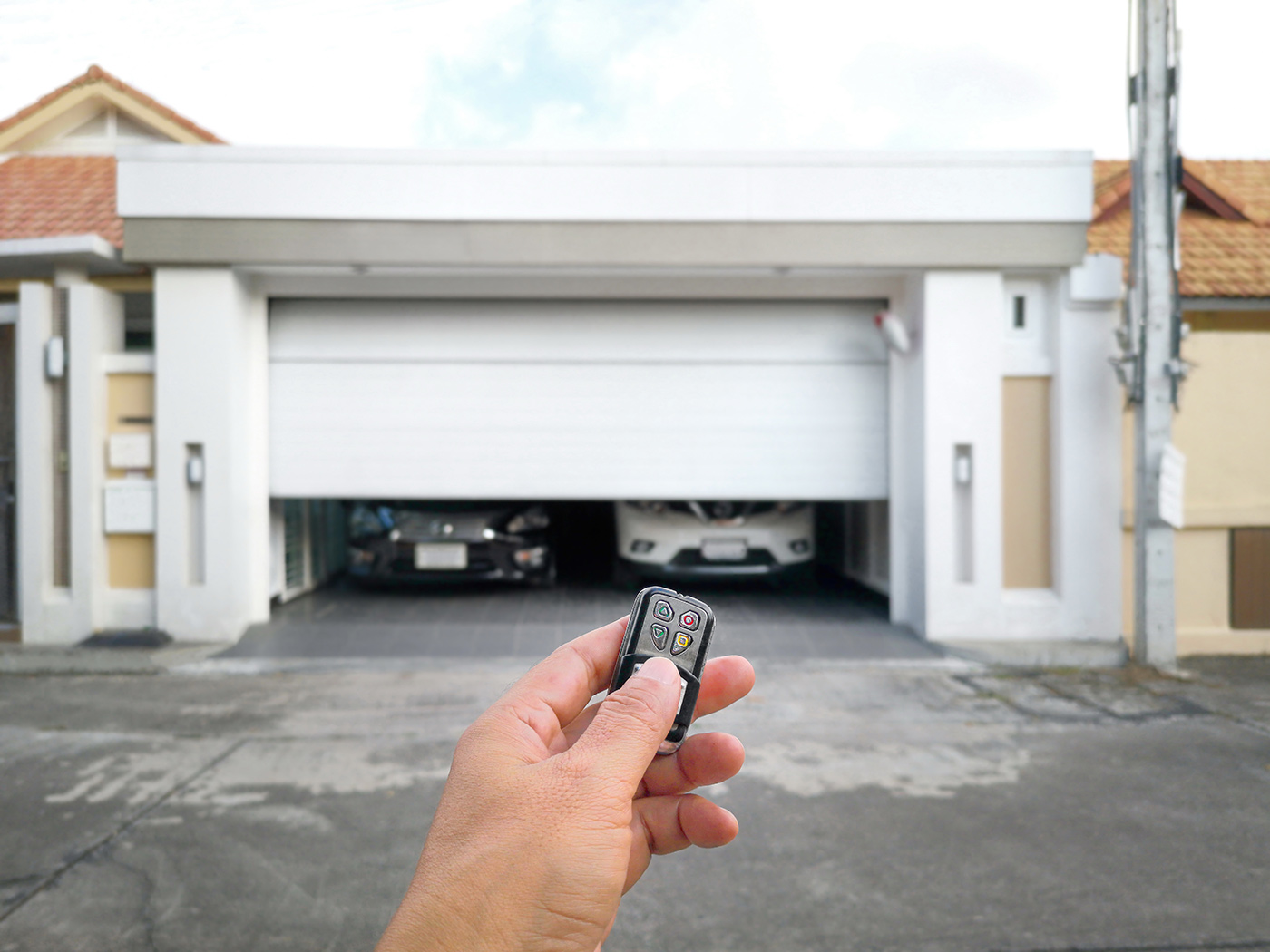
A garage door is easy to overlook when everything is working properly, yet it may be one of the most frequently used moving systems in a home. Homeowners researching options through resources such as www.yourgaragedoorpro.com often discover that long-term value depends on much more than appearance. Materials, insulation, hardware quality, maintenance requirements, safety features, and compatibility with the opener all affect how well a garage door performs over time.
The best long-term choice is not necessarily the most expensive model or the one with the longest list of features. A practical garage door is one that suits the property, performs reliably under regular use, and does not create unnecessary repair or maintenance problems as it ages.
Strong Materials Create a Better Starting Point
The material used to build a garage door has a major influence on durability, maintenance, and appearance.
Steel is commonly chosen because it offers a useful balance of strength, cost, and relatively simple upkeep. Protective coatings help reduce corrosion, while different panel thicknesses and construction methods allow homeowners to choose between basic and more substantial designs.
Wood offers warmth and character that can be difficult to duplicate with other materials. However, it generally needs more maintenance to protect it from moisture, sunlight, and temperature changes. Composite materials can provide a similar appearance with less demanding upkeep, making them attractive for homeowners who want the look of wood without the same maintenance schedule.
Aluminum and glass designs can work especially well with modern architecture. They tend to create a lighter visual appearance, though homeowners should still consider insulation, privacy, and resistance to dents or weather exposure.
Material selection becomes more practical when it is based on the property’s environment and everyday needs rather than appearance alone.
Insulation Can Improve More Than Energy Efficiency
An insulated garage door can contribute to a more comfortable and stable garage environment, particularly when the garage is attached to the home.
Insulation helps reduce the amount of outdoor heat or cold that passes through the door. This can be particularly useful when there are bedrooms, offices, or living areas next to or above the garage. Even when the garage itself is not heated or cooled, limiting temperature swings can make the surrounding parts of the home more comfortable.
There are also structural advantages. Insulated doors often have multiple layers, which can make the panels feel more solid and reduce vibration during operation. In some cases, this construction also helps limit outside noise.
However, more insulation is not automatically necessary for every property. A detached garage used mainly for storage may have very different requirements from a garage that doubles as a workshop, exercise area, or frequently used entrance to the home.
Hardware Quality Determines Everyday Performance
Much of a garage door’s long-term reliability depends on components that are barely visible.
Rollers, hinges, tracks, cables, springs, bearings, and brackets work together every time the door moves. When these parts are properly matched and installed, the door should travel smoothly without excessive shaking, resistance, or noise.
Springs are especially important because they help counterbalance the weight of the door. A properly balanced system reduces the amount of work required from the opener. When spring performance deteriorates, the opener may begin working harder than necessary, potentially accelerating wear elsewhere in the system.
The same applies to rollers and tracks. Worn rollers can create noisy or uneven movement, while bent or misaligned tracks can place additional strain on other components.
A practical long-term door therefore depends on more than strong panels. The hardware behind those panels matters just as much.
Maintenance Should Be Manageable
Every garage door requires some maintenance, but a good system should not become a constant project.
Basic care may include cleaning the exterior surface, checking weather seals, inspecting visible hardware, and lubricating appropriate moving components according to manufacturer recommendations. Homeowners should also pay attention to changes in the way the door sounds or moves.
Unusual vibration, scraping sounds, jerky travel, slower operation, or difficulty opening can indicate developing problems. Addressing small issues early is often easier than waiting until a component fails completely.
Weatherstripping deserves particular attention because it can deteriorate quietly over time. Damaged seals may allow water, insects, dust, or outside air into the garage. Replacing worn seals can help preserve both comfort and cleanliness without requiring major repairs.
The Opener Must Match the Door
A garage door and its opener should be considered one operating system rather than two unrelated products.
The opener needs to be appropriate for the door’s size, weight, and expected frequency of use. A heavier insulated or custom door may have different requirements than a lightweight single-car model.
Drive type also affects the experience of using the door. Some systems prioritize quiet operation, while others are valued for durability, simplicity, or lower cost. For garages located beneath bedrooms or beside living areas, minimizing noise may be particularly important.
Regardless of opener type, proper door balance remains essential. The opener should guide the door through its travel, not struggle against excessive weight or resistance.
A well-matched combination can provide smoother performance while reducing unnecessary stress on mechanical components.
Weather Resistance Protects the Investment
A garage door spends its entire life exposed to outdoor conditions, making weather resistance an important part of long-term practicality.
Sunlight can fade finishes, moisture can encourage corrosion or deterioration, and temperature changes can affect certain materials over time. Wind, dust, salt air, and heavy rain may create additional challenges depending on the region.
Protective finishes and properly maintained seals can help reduce these effects. Homeowners in demanding environments may also want to consider reinforced construction or materials specifically designed for local conditions.
The goal is not to make the door immune to weather, but to choose a system that can handle expected exposure without requiring constant repair.
Safety Features Should Never Become an Afterthought
Because garage doors are large and heavy, safety is an essential part of long-term ownership.
Modern automatic systems typically include photoelectric sensors and automatic reversal features designed to prevent the door from closing on people, pets, vehicles, or objects. These features should be tested occasionally to confirm that they are still working correctly.
The manual release system also matters because it allows the door to be disconnected from the opener when necessary.
Some repairs, particularly those involving springs or high-tension cables, should be approached carefully. These components can store significant mechanical force, making professional service the safer option in many situations.
Clear Information Helps Homeowners Make Better Decisions
Choosing a garage door is easier when homeowners can find clear information about the factors that affect performance over time. Questions about insulation, spring lifespan, opener compatibility, maintenance warning signs, and material differences often arise before a purchase or repair decision is made.
Using the best seo services for garage door companies can help businesses create useful content around these questions. Instead of focusing only on promotional service pages, businesses can provide practical explanations that help homeowners understand their options and recognize when a repair, upgrade, or replacement may make sense.
This type of educational content serves a practical purpose. Garage doors involve mechanical, safety, and home improvement decisions that many homeowners do not deal with regularly. Clear explanations can help people understand what they are paying for and why certain features or repairs may matter over the long term.
For service providers, useful information can also build credibility before a homeowner ever makes contact.
A Practical Choice Is One That Ages Well
A garage door earns its long-term value through dependable everyday performance rather than one impressive feature.
Strong materials, suitable insulation, reliable hardware, manageable maintenance, weather protection, proper opener compatibility, and working safety systems all contribute to a door that remains useful year after year.
Appearance still matters, especially because a garage door occupies such a large portion of many home exteriors. However, the most practical designs combine visual appeal with construction that can handle thousands of opening and closing cycles without becoming a constant source of repairs.
When homeowners evaluate the entire system instead of focusing only on price or style, they are more likely to choose a garage door that continues to feel like a sensible investment long after installation.