
Modern offices handle valuable equipment, confidential information, customer records, and intellectual property every day. As workplaces become more connected and flexible, businesses also face a wider range of security risks, from unauthorized entry and theft to vandalism and workplace emergencies. Installing reliable office security systems can help businesses create a safer environment while giving managers greater control over their premises.
A well-designed office security strategy is not simply about putting cameras around a building. Effective protection combines several technologies that work together to identify potential threats, control access, monitor activity, and provide timely alerts when something unusual happens.
Why Office Security Matters
An office can have multiple entrances, employee-only areas, meeting rooms, storage spaces, server rooms, and other sensitive locations. Without appropriate security measures, unauthorized individuals may gain access to areas where valuable assets or confidential information are stored.
Security systems can help businesses reduce these risks while improving employees’ sense of safety. Visible surveillance cameras can discourage unwanted behavior, while alarms and access controls provide additional layers of protection. When these technologies are integrated properly, businesses can monitor their facilities more effectively and respond to incidents faster.
Essential Components of an Office Security System
A modern office typically benefits from several complementary security technologies.
Video Surveillance
Security cameras provide visibility across important areas of a workplace. Cameras can be positioned at entrances, reception areas, hallways, parking spaces, storage rooms, and other locations where monitoring is important.
High-definition cameras can provide useful footage when an incident occurs. Many modern systems also allow authorized personnel to view cameras remotely, making it possible to check office activity even when managers are away from the building.
Surveillance can also help investigate incidents after they occur. Recorded footage may provide valuable information about when an event happened, where it occurred, and who was present.
Access Control
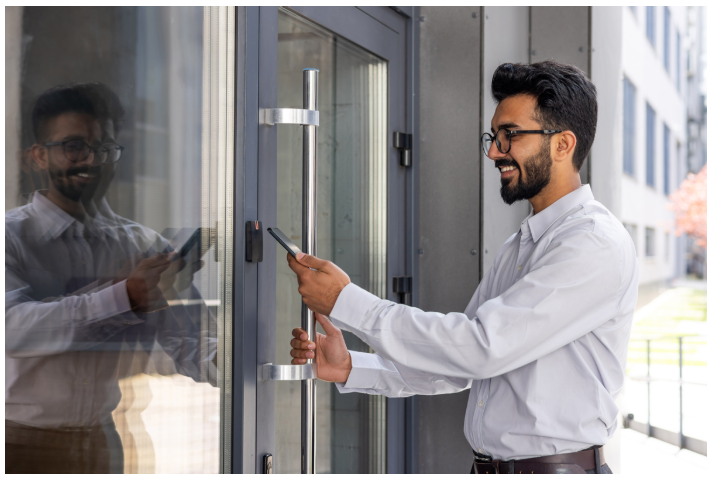
Not every employee needs access to every part of an office. Access control systems allow businesses to restrict entry to sensitive areas while making everyday access more convenient for authorized personnel.
Keycards, biometric readers, mobile credentials, and other technologies can be used to control doors. Businesses can assign different permissions according to employees’ roles and responsibilities.
For example, general employees may have access to common work areas, while only authorized personnel can enter server rooms or storage areas. This approach reduces unnecessary access and creates a clearer record of who enters restricted spaces.
Intrusion and Alarm Systems
An office alarm system provides another important layer of protection. Sensors can detect unauthorized entry, movement, or other suspicious activity and trigger alerts.
Alarms can be particularly useful outside normal business hours when fewer employees are present. Professional monitoring can provide additional support by ensuring that security events receive attention even when the office is closed.
Combining alarms with video surveillance can make incident verification easier. When an alarm is triggered, corresponding camera footage may help determine what is happening and support an appropriate response.
Protecting Employees as Well as Property
Office security is not only about protecting computers, furniture, and other physical assets. Employee safety should be one of the central priorities of any workplace security plan.
A carefully designed system can help control visitor access, monitor entrances, and identify unusual activity. Emergency communication and fire and life-safety systems can also play an important role in protecting people during emergencies.
Businesses should consider how employees move through the building throughout the day. Reception areas, emergency exits, employee entrances, parking areas, and restricted departments may all require different security measures.
Remote Monitoring and Smart Technology
Remote monitoring has become an increasingly useful feature for businesses. Authorized managers can receive alerts and review security information from compatible devices without needing to remain inside the office.
This can be especially valuable for businesses with multiple locations or extended operating hours. Instead of relying entirely on physical inspections, managers can receive information about alarms, access events, or other security activity as it occurs.
Smart security technology can also make system management more convenient. Businesses may be able to adjust access permissions, review footage, or receive notifications through centralized platforms.
Designing Security Around the Workplace
Every office has different risks, layouts, and operational requirements. A small professional office may need a different security configuration from a large corporate building with multiple floors and restricted departments.
The first step should therefore be a security assessment. Businesses can identify important assets, vulnerable entry points, high-traffic areas, and locations that require additional monitoring.
The system should also account for future growth. A scalable security solution makes it easier to add cameras, access points, sensors, or additional locations as the business expands.
Integrating Different Security Technologies
One of the biggest advantages of modern commercial security is integration. Instead of operating cameras, alarms, and access controls as completely separate systems, businesses can connect multiple technologies into a coordinated security environment.
For example, access control can identify who entered a restricted room while surveillance cameras provide visual confirmation. Alarm systems can notify responsible personnel when suspicious activity is detected. This creates a more complete picture of security events.
Integrated systems can also simplify management by giving authorized personnel centralized visibility into important security functions.
Maintaining Your Security System
Installing a security system is only the beginning. Regular testing, maintenance, software updates, and equipment inspections are important for keeping security technology dependable.
Cameras should remain properly positioned and unobstructed. Sensors and alarms should be tested periodically, while access credentials should be reviewed whenever employees join or leave the organization.
Businesses should also update access permissions as responsibilities change. Former employees should not retain credentials that could provide access to company facilities.
Choosing the Right Security Partner
When selecting a security provider, businesses should look beyond individual products. Professional design, installation, integration, monitoring, and ongoing support can all influence the effectiveness of a security system.
A good provider should understand the specific risks associated with office environments and recommend solutions based on the building layout, business operations, employee requirements, and budget.
The goal should not necessarily be to install the largest number of devices. Instead, businesses should focus on creating strategic layers of protection that address their most important vulnerabilities.
Final Thoughts
Office security has become an essential part of responsible business management. From surveillance cameras and access control to intrusion alarms and remote monitoring, modern technologies can help organizations protect people, property, and sensitive information.
The most effective approach is a customized one. By assessing workplace risks and integrating appropriate security technologies, businesses can create a safer environment without unnecessarily disrupting everyday operations. Regular maintenance and periodic security reviews can then help ensure that the system continues to meet the organization’s changing needs.
For businesses looking to strengthen workplace protection, investing in a thoughtfully designed security system can provide greater visibility, better access management, faster alerts, and valuable peace of mind.